Belarus: A Language Journey Through Forests and Cities
Belarus offers travelers a chance to experience a country where language carries layers of history, resilience, and identity. From the historic streets of Minsk to villages along the Pripyat River and the rolling hills of Belarusian Polesie, visitors will hear the rhythm of Belarusian, the everyday dominance of Russian, and subtle traces of minority and migration languages. Language here is tied to community, heritage, and local life, and listening closely reveals cultural depth beyond the usual tourist routes.
DESTINATIONSEUROPE
3 min read
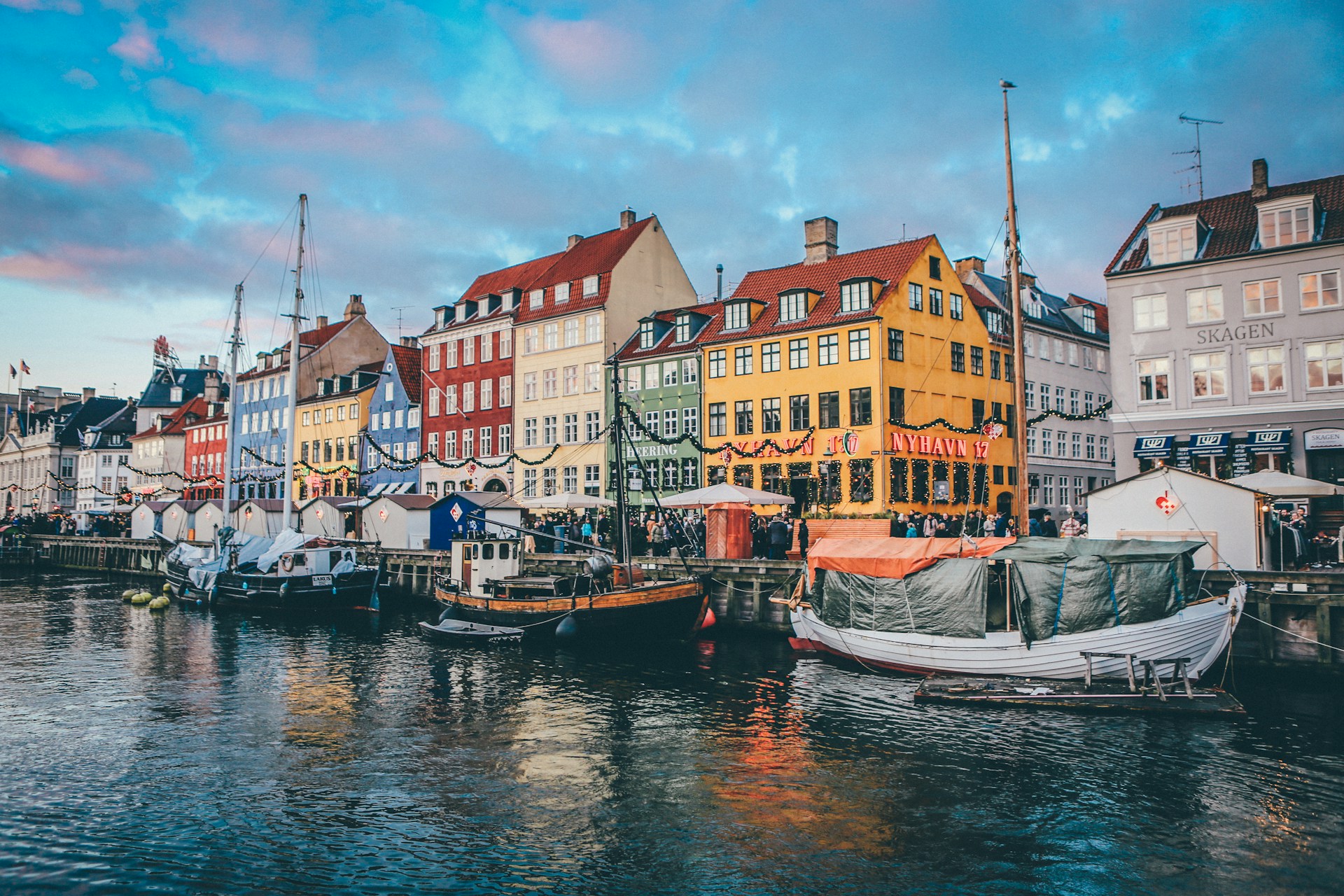
Belarus has approximately 9.3 million inhabitants. Belarusian and Russian are official languages. Russian dominates in urban areas, media, and daily communication, while Belarusian appears in official documents, education, and rural areas. Minority languages include Polish, Ukrainian, Yiddish, Lithuanian, and Tatar. English is increasingly spoken among younger generations and in tourist centers.
🔥 Country Snapshot🔥
Belarusian: A Language of Heritage
Belarusian is the historic national language and reflects centuries of literature, folklore, and local identity. It is most commonly spoken in rural areas and smaller towns, though signage, books, and radio broadcasts preserve its presence. Its soft vowels and melodic intonation make it distinct from Russian.


Belarusian uses a Cyrillic script similar to Russian, but with unique letters and orthographic rules that set it apart.
🎧 Language Fact 🎧
Russian: Urban and Everyday Communication
Russian is the dominant spoken language in cities like Minsk, Brest, and Gomel. It is used in schools, media, business, and casual conversation. Travelers in urban areas will find it easier to navigate using Russian, though a basic knowledge of Belarusian is appreciated in rural and cultural contexts.


City streets, cafés, and public transport provide constant exposure to Russian in natural contexts, perfect for observational learning.
🌆 Cultural Insight 🌆
Polish: Borderland Heritage
Polish is spoken mainly in western Belarus near the Brest region, reflecting historical ties and communities that preserve language through family, church, and cultural events.


Visiting local markets, attending church festivals, or exploring villages is a great way to hear Polish spoken in context.
❄️ Cultural Insight ❄️
Ukrainian and Lithuanian: Neighboring Voices
In eastern and northern border areas, Ukrainian and Lithuanian communities preserve their languages through family and local associations. These languages add subtle diversity to Belarus’s linguistic landscape.


Rural trips to border villages reveal these languages in everyday life, from marketplaces to community gatherings.
🗺️ Regional Tip 🗺️
Yiddish: Echoes of History
Belarus had one of the largest Jewish populations in Europe before WWII. Yiddish is now mostly preserved in cultural organizations, museums, and festivals, especially in Minsk and historical sites.


Heritage festivals, music events, and museums provide opportunities to hear Yiddish spoken and sung.
🎶 Listening Insight 🎶
Tatar: Quiet Communities
Small Tatar communities in Belarus maintain their language through oral tradition, mosques, and family life, particularly in Minsk and Brest.


Religious and community gatherings are key spaces to engage respectfully with Tatar.
🕌 Cultural Experience 🕌
Migration Languages: Modern Belarus
English is growing in urban centers, alongside Russian and Polish. Ukrainian migration has also brought additional linguistic layers, especially in cities and universities.


Universities, cafés, and coworking spaces reflect Belarus’s slowly growing multilingual urban life.
🌐 Urban Insight 🌐
Belarus is your perfect destination for combining travel and language-based experiences.
Lingo Traveler Toolkit:
Everyday Interaction
Use Pryvit (Hi), Dziakuj (Thank you), Kali laska (Please) — locals appreciate the effort, especially outside big cities.
Scripts & Signage
Learn to read both Belarusian and Russian Cyrillic; street signs, menus, and notices offer excellent practice.
Listening for Variation
Listen to rural vs. urban language usage and the subtle presence of Polish, Ukrainian, or Lithuanian.
Language Through Place
Connect vocabulary to your travel surroundings: rivers, forests, Orthodox and Catholic churches, castles, and markets.
Cultural Spaces
Attend folk music events, village fairs, or museum exhibitions to hear Belarusian, Polish, and Yiddish in context.
Urban Multilingual Life
Attend experiences using Russian, English, or Ukrainian in city centers, universities, and cultural cafés.
Reflect & Practice
Keep a language journal, try short conversations, and explore idioms, proverbs, and local expressions.


Language Tips for Lingo Travelers in Belarus
Discover The World & Learn Languages.
Created with ❤️ by Lingo Trail.
This website may contain affiliate links, which may earn a commission at no extra cost to you if purchases are made through them.
hello@golingo.com
+1-555-789-4321
© 2026 Lingo Trail. All rights reserved. No part of this website may be reproduced or transmitted in any form without prior written permission from Lingo Trail.