Belgium: A Linguistic Mosaic Between Chocolate, Canals, and Castles
Belgium is a country where languages tell stories as much as its historic towns, medieval streets, and world-famous chocolate. Traveling here is a journey through French, Dutch, and German, sprinkled with local dialects and migration languages. From the canals of Bruges to the vibrant streets of Brussels, from the rolling hills of Wallonia to the Ardennes forests, every conversation reflects centuries of history, regional identity, and cultural pride.
DESTINATIONSEUROPE
4 min read
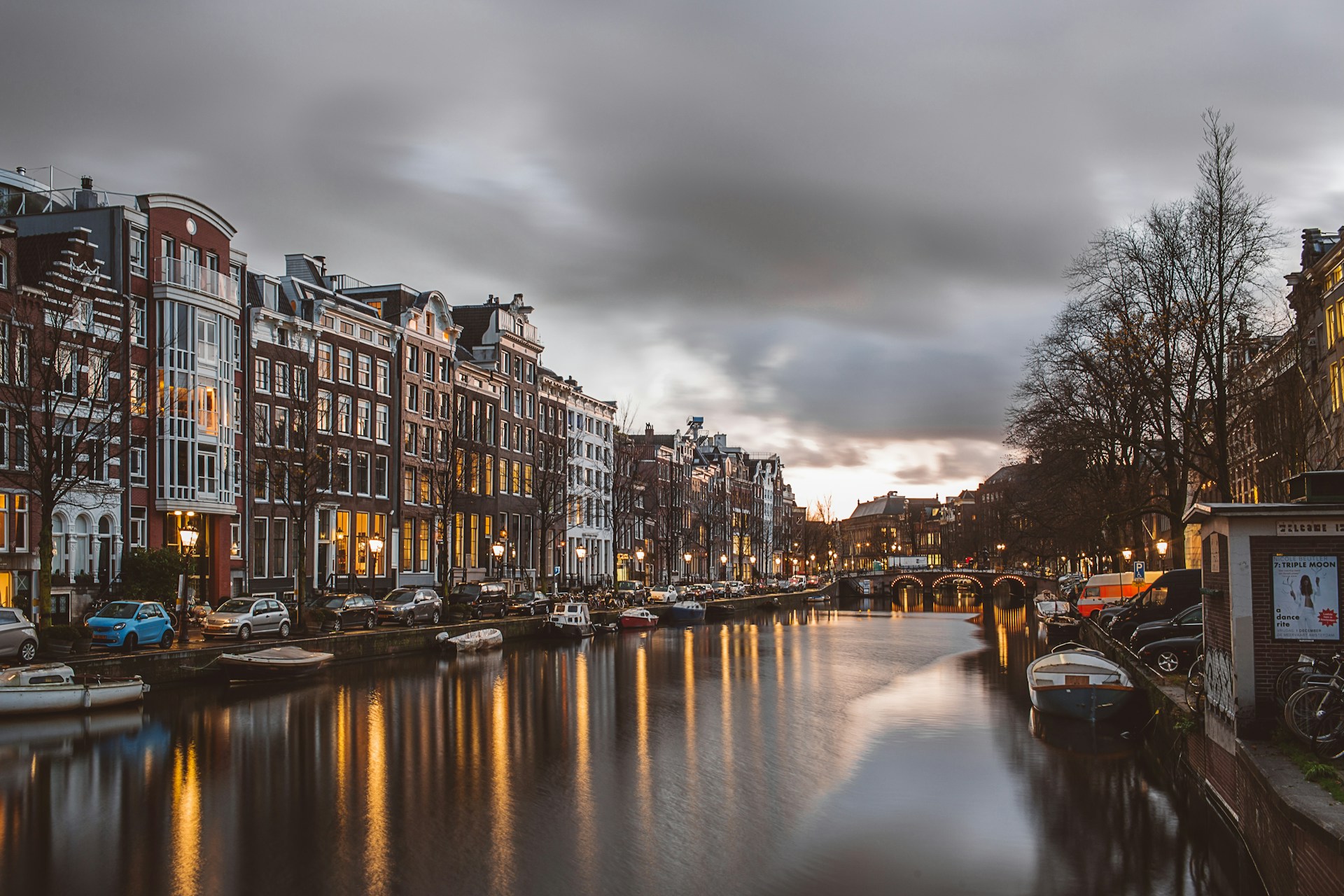
Belgium has about 11.5 million inhabitants. It is officially trilingual: Dutch (Flemish) in Flanders, French in Wallonia, and German in eastern communities. Brussels is officially bilingual (French and Dutch) and a hub for international communication. Beyond these, migration languages and regional dialects enrich the auditory landscape..
🔥 Fact Flash 🔥
Dutch / Flemish: Flanders’ Melody
Dutch is spoken in Flanders (northern Belgium), with a distinct Flemish accent and vocabulary compared to the Netherlands. While grammatically similar to Standard Dutch, local words, phrasing, and intonation give Flemish a warm, melodic quality. Travelers will encounter Flemish in everyday life, from street signs in Antwerp to casual conversations in Ghent.


Approximately 6 million Belgians speak Dutch as their first language. Flemish includes several regional dialects like West Flemish and East Flemish.
📝 Language Fact 📝
French: Wallonia and Brussels’ Lingua Franca
French dominates southern Belgium and is widely spoken in Brussels alongside Dutch. Wallonia’s French has slightly subtle regional pronunciations and vocabulary that differ from Parisian French. Travelers can explore Walloon culture through music, theatre, markets, and local cafés while hearing authentic expressions and colloquial twists.


Local markets and festivals are great opportunities to hear Walloon French, discover idioms, and try regional culinary names like carbonade flamande or gaufres de Liège.
🎭 Cultural Note 🎭
German: Belgium’s Eastern Voice
German is spoken by roughly 77,000 people in the East Cantons near the German border. While a minority language, it enjoys official recognition and appears on municipal signs and local media. Visitors traveling in this region may hear German in schools, cultural centers, and community events, offering insight into Belgium’s layered heritage.


The German-speaking community celebrates its culture through literature, festivals, and music. It is ideal for travelers wanting an immersive linguistic experience.
🌿 Indigenous Insight 🌿
Regional Languages: Subtle Layers
Belgium is rich in linguistic varieties. Walloon, Picard, and Limburgish add local color. These varieties often appear in music, theater, and informal conversations, giving each city or village a unique “sound.”


Some dialects, like West Flemish or Walloon, are considered endangered, but local initiatives and cultural associations are working to preserve them.
🎧 Dialect Fact 🎧
Migration Languages: Modern Belgium
In Brussels and Antwerp, you’ll hear Turkish, Arabic, Tamazight, Italian, Spanish, Portuguese, and English. These languages influence neighborhoods, schools, cafés, and markets, creating a modern multicultural layer alongside historic languages.


Brussels is home to over 180 nationalities, making it one of Europe’s most linguistically diverse cities.
🌍 Urban Layer 🌍
Belgium is a treasure trove for language lovers. From sipping coffee in Brussels to strolling the canals of Ghent or tasting chocolates in Liège, every moment can become a mini language lesson. Whether you’re a beginner or an advanced learner, immersing yourself in Belgian languages—Dutch (Flemish), French, German, dialects, and even migration languages—can make your trip richer, more memorable, and full of authentic interactions. Here’s a practical guide to help you explore, listen, and learn while traveling.
Lingo Traveler Toolkit:
1) Start small (Beginner)
Learn greetings: Hallo / Hoi, Bonjour, Danke, S’il vous plaît. Use them in shops, cafés, and trams.
Experience & material: carry a pocket phrasebook or language app; practice with friendly locals.
2) Listen like a local (Beginner)
Focus on rhythm, intonation, and vowel clarity in street conversations, announcements, and markets.
Experience & material: listen to local radio, podcasts, or guided tours to absorb natural speech.
3) Connect words to your environment (Beginner)
Observe the language used in streets, monuments, chocolates, and artisanal products to reinforce vocabulary.
Experience & material: take photos, make a vocabulary notebook, and annotate maps for instant recall.
4) Functional phrases (Intermediate)
Order food, buy tickets, or ask directions using short sentences.
Experience & material: roleplay with travel companions or test phrases in cafés, tram stations, and museums.
5) Explore regional differences (Intermediate)
Explore Flemish vs Walloon pronunciation, Brussels bilingual signs, and German in East Cantons.
Experience & material: attend local festivals, visit small towns, and compare signage and local media.
6) Shadow native speakers (Intermediate)
Repeat phrases from tour guides, museum narrations, and recordings to internalize pronunciation and accent.
Experience & material: guided walking tours or audio apps are perfect for practice while sightseeing.
7) Cultural immersion (Advanced)
Attend folk music events, theatre, chocolate workshops, or comic festivals to hear language in context.
Experience & material: take notes of idioms, sing along to local songs, or try storytelling workshops.
8) Engage with migration languages (Advanced)
Explore meetups and events using Turkish, Arabic, Italian, Portuguese, and English in Brussels or Antwerp.
Experience & material: explore multicultural neighborhoods, international markets, or community centers to hear these languages in action.
9) Link language to history (Advanced)
Learn words tied to culture, nature, art, or famous festivals like Carnival in Binche.
Experience & material: museum exhibits, walking tours, or guidebooks help connect words to experiences.
10) Reflect and converse (Advanced)
Keep a language journal, try short dialogues, and explore idioms with locals.
Experience & material: informal meetups, cafés, and local cultural centers are ideal for practical application.


Language Tips for Lingo Travelers in Belgium
Discover The World & Learn Languages.
Created with ❤️ by Lingo Trail.
This website may contain affiliate links, which may earn a commission at no extra cost to you if purchases are made through them.
hello@golingo.com
+1-555-789-4321
© 2026 Lingo Trail. All rights reserved. No part of this website may be reproduced or transmitted in any form without prior written permission from Lingo Trail.