Denmark: Connecting with Locals Through Language
Denmark may feel compact and understated, but its language landscape reveals layers of history, regional identity, and modern migration. Traveling through Denmark means hearing more than just Danish; it’s about noticing soft consonants, swallowed endings, and a communication style that values clarity, equality, and calm. From Copenhagen cafés to coastal villages and border regions, language shapes how Danes connect with each other and with visitors.
DESTINATIONSEUROPE
3 min read
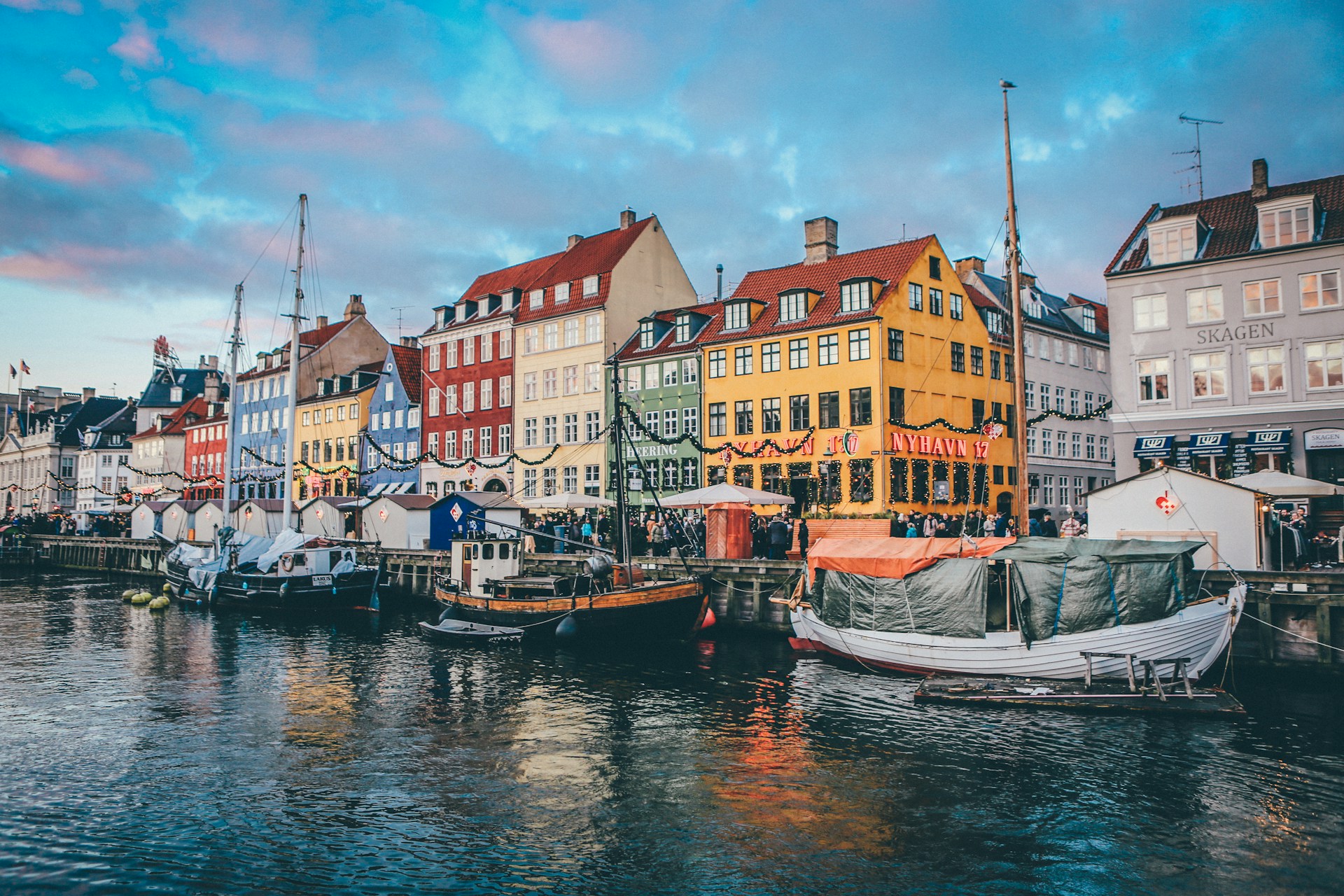
Argentina is the 8th largest country in the world by land area and spans more than 3,700 km from north to south, shaping strong regional linguistic variation.
🔥 Country Snapshot🔥
Danish: A Language of Soft Sounds
Danish is known for its reduced pronunciation, where written words often sound very different when spoken. Consonants are softened, syllables are shortened, and the rhythm feels smooth and flowing. Travelers may understand written Danish quickly but struggle with spoken forms, making listening an essential part of the experience.


Danish features stød, a glottal sound that can change meaning and gives spoken Danish its distinctive rhythm.
🎧 Sound Insight 🎧
Copenhagen and Urban Danish
In Copenhagen, Danish is mixed with English in daily life, especially among younger generations. Locals switch languages easily, but beginning interactions in Danish is appreciated. Urban Danish includes modern slang, borrowed English words, and a relaxed conversational style reflecting Denmark’s informal social norms.


Over 85 percent of Danes speak English fluently, yet Danish remains central to social belonging and identity.
🏙️ City Language Bit 🏙️
Regional Accents and Dialects
Outside Copenhagen, Danish changes subtly. Jutlandic varieties often sound clearer and more pronounced, while island dialects may preserve older vocabulary and sounds. These variations reflect Denmark’s regional history and rural–urban differences.


Traditional Danish dialects are declining, but regional pronunciation differences remain noticeable to careful listeners.
🗺️ Dialect Note 🗺️
Faroese: A Language Across the Sea
Faroese is spoken by people from the Faroe Islands, an autonomous territory within the Kingdom of Denmark. While Faroese is not commonly heard on Denmark’s streets, it appears within Faroese communities, cultural events, and institutions. The language is closely related to Icelandic and preserves Old Norse features.


Faroese is a North Germanic language with strong literary and oral traditions, distinct from Danish despite political ties.
🌊 North Atlantic Insight 🌊
German and the Southern Border
In southern Denmark, especially near the German border in South Jutland, German is spoken by a recognized minority. Bilingual signage, schools, and cultural organizations support this linguistic presence. Travelers in the region may hear both Danish and German in everyday interactions.


The German minority in Denmark has protected language rights, reflecting the country’s long border history.
🚲 Border Language 🚲
Greenlandic (Kalaallisut) in Denmark
Greenlandic, also known as Kalaallisut, is spoken by Greenlandic Inuit communities living in Denmark. While not widely visible, it plays an important cultural role in identity, education, and community life, especially in larger cities.


Greenlandic belongs to the Eskimo-Aleut language family and is unrelated to Danish.
❄️ Indigenous Insight ❄️
Languages of Migration in Modern Denmark
Modern Denmark is increasingly multilingual due to migration. In cities like Copenhagen, Aarhus, and Odense, you may hear Arabic, Turkish, Kurdish, Somali, Urdu, Polish, and English. These languages are often spoken at home or in community spaces, forming Denmark’s quieter multicultural layer.


A significant share of Denmark’s residents have a migration background, making Arabic and Turkish among the most common non-Danish home languages.
🌍 Migration Language Map 🌍
Denmark rewards travelers who listen carefully and engage gently with language and culture.
Lingo Traveler Toolkit:
Start with basic Danish phrases, Hej (Hi), Tak (Thanks), Undskyld (Excuse me)
Expect spoken Danish to differ from written forms, focus on listening first
Try Danish before switching to English, effort is appreciated even if locals reply in English
Notice regional pronunciation differences, especially between Copenhagen and Jutland
Be aware of minority languages, German near the border, Faroese and Greenlandic in communities
Respect cultural communication norms, avoid loud speech and interruptions
Visit cultural centers, libraries, or local events to experience language in context
Keep a phrase notebook to track pronunciation patterns and expressions


Language Tips for Lingo Travelers in Denmark
Discover The World & Learn Languages.
Created with ❤️ by Lingo Trail.
This website may contain affiliate links, which may earn a commission at no extra cost to you if purchases are made through them.
hello@golingo.com
+1-555-789-4321
© 2026 Lingo Trail. All rights reserved. No part of this website may be reproduced or transmitted in any form without prior written permission from Lingo Trail.