Lithuania: Travel Now and Explore Nature, Languages, and Culture
Lithuania is a country of forests, lakes, and medieval towns. Traveling here means hearing Lithuanian, the official language, along with Polish, Russian, and minority dialects, plus migration languages in cities. From Vilnius’ Old Town to rural villages, language reflects history, identity, and cultural diversity.
DESTINATIONSEUROPE
3 min read
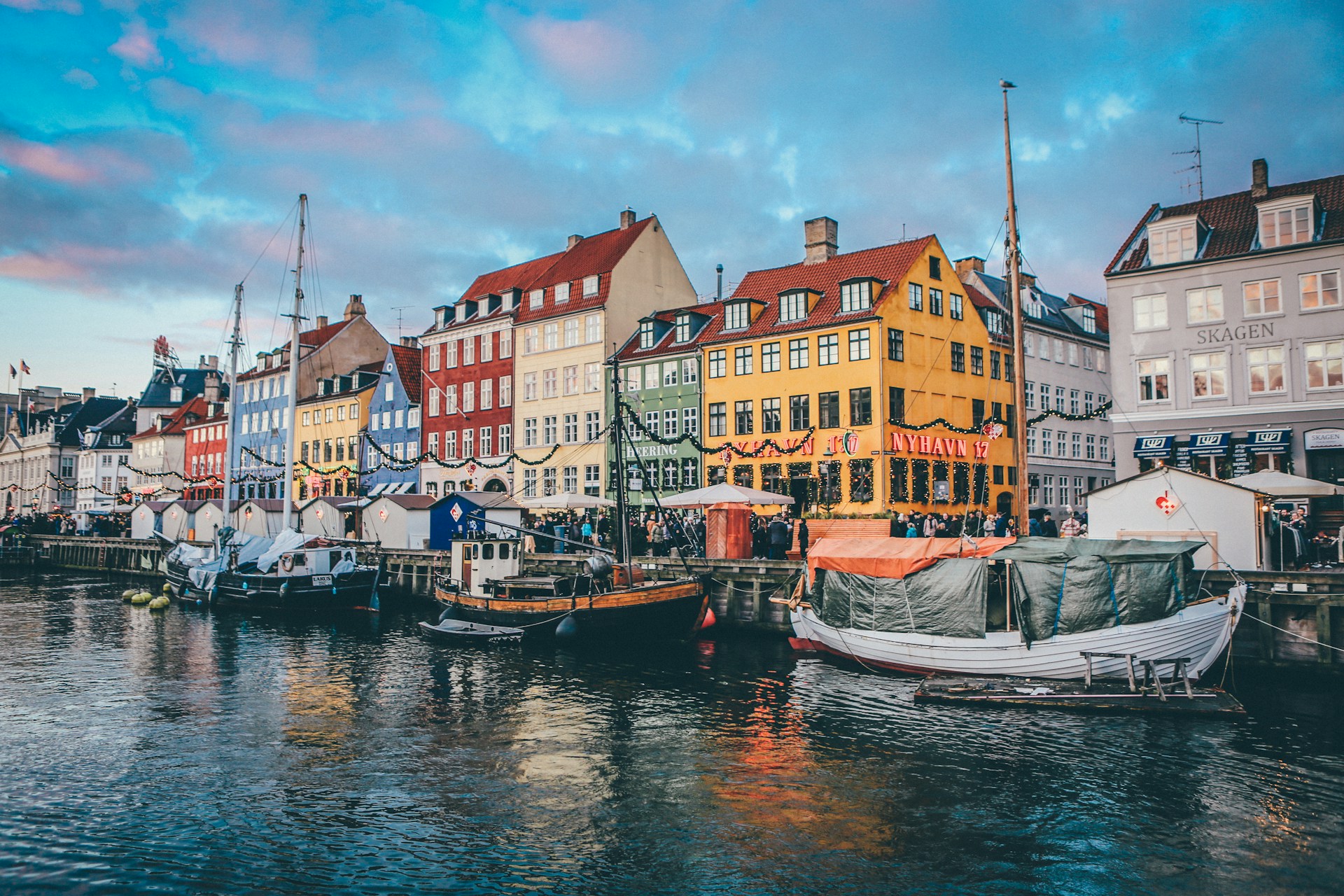
Lithuania has around 2.8 million inhabitants. Lithuanian (~84%) is the official language. Minority languages include Polish (~6%), Russian (~5%), and Belarusian (~1%). Migration languages like Ukrainian, English, and German are increasingly present, especially in urban areas.
🔥 Country Snapshot🔥
Lithuanian: The Baltic Jewel
Lithuanian is a Baltic language, closely related to Latvian but with distinct phonology and grammar. It preserves many archaic features of Proto-Indo-European, making it fascinating for linguists. Travelers will notice its melodic intonation, vowel length, and complex case system in streets, markets, and museums.


Lithuanian has 7 grammatical cases and dual forms of many nouns and verbs in dialects, which influence meaning.
🎧 Language Fact 🎧
Polish and Russian: Minority Voices
Polish is primarily spoken in Vilnius region and southeastern Lithuania, reflecting centuries of shared history. Russian is common in urban areas like Vilnius, Klaipėda, and Visaginas. These languages appear in homes, schools, shops, and cultural events. Travelers may hear them alongside Lithuanian, especially in multicultural neighborhoods.


Many younger speakers are bilingual in Lithuanian, blending languages seamlessly in daily life.
🌍 Minority Insight 🌍
Belarusian and Other Minor Languages
Belarusian, though a smaller minority, is spoken in some eastern towns and rural villages. Travelers may encounter it in cultural events, religious services, or community centers. Other minority languages appear sporadically among historical communities or immigrant families.


Understanding minority languages offers insight into Lithuania’s layered history of borders, migration, and cultural exchange.
❄️ Heritage Note ❄️
Dialects and Regional Variation
Lithuanian has minor regional dialects — Aukštaitian, Samogitian, and eastern border dialects. Pronunciation, vocabulary, and intonation vary slightly, adding depth to the travel experience.


About 6–8% of Lithuania’s population has a foreign background, giving urban areas a subtle multilingual layer.
📝 Heritage Note 📝
Languages of Migration
Urban Lithuania is increasingly multilingual. In Vilnius, Kaunas, and Klaipėda, you may hear Ukrainian, English, German, and other European languages.


Aukštaitian (Highland Lithuanian)
Spoken mainly in northern and eastern Lithuania, it forms the basis of the standard Lithuanian taught in schools. Its pronunciation is relatively clear for learners, and it preserves some older grammatical forms.
🎧 Dialect Fact 🎧
Lithuania is a great place for travelers who want to experience language immersion, cultural exploration, and tech-friendly learning.
Lingo Traveler Toolkit:
Basics (Beginner)
Begin with everyday words like Labas (Hello), Ačiū (Thank you), and Prašau (Please), and weave them naturally into daily interactionsListen and tune in (Beginner)
Pay attention to speech patterns as you travel through streets and markets, noticing rhythm, vowel length, and intonationConnect words to place (Beginner)
Match new vocabulary to what you see around you, food on your plate, landscapes, and everyday objectsBuild short exchanges (Intermediate)
Use simple sentences to order meals, ask for directions, or buy tickets, letting confidence grow step by stepNotice linguistic diversity (Intermediate)
Observe where Polish is spoken around the Vilnius region or Russian in Visaginas and major citiesEcho the sounds (Intermediate)
Repeat phrases you hear from locals or recordings to absorb pronunciation, flow, and melodyLearn through culture (Advanced)
Join folk festivals, museum talks, or community gatherings to hear fuller expressions and authentic language useExplore modern multilingual life (Advanced)
Attend cultural meetups for for Ukrainian, English, German, and other languageLearn with Storytelling (Advanced)
Learn words connected to tales, nature, and historic sites to deepen memory through experiencePractice and reflect (Advanced)
Keep notes of new words, start short conversations, and ask about idioms or expressions to engage more deeply


Language Tips for Lingo Travelers in Estonia
Discover The World & Learn Languages.
Created with ❤️ by Lingo Trail.
This website may contain affiliate links, which may earn a commission at no extra cost to you if purchases are made through them.
hello@golingo.com
+1-555-789-4321
© 2026 Lingo Trail. All rights reserved. No part of this website may be reproduced or transmitted in any form without prior written permission from Lingo Trail.