Saudi Arabia: A Journey Through Desert Routes, Cities, and Living Languages
Traveling through Saudi Arabia is a journey across ancient trade routes, sacred cities, desert landscapes, and rapidly transforming urban centers. Language here is not just a tool for communication, it’s a carrier of faith, poetry, hospitality, and identity. From Bedouin expressions in the Empty Quarter to global Arabic heard in Mecca, Saudi Arabia offers lingo-travelers a rare chance to experience Arabic in its many living forms.
DESTINATIONSASIA
4 min read
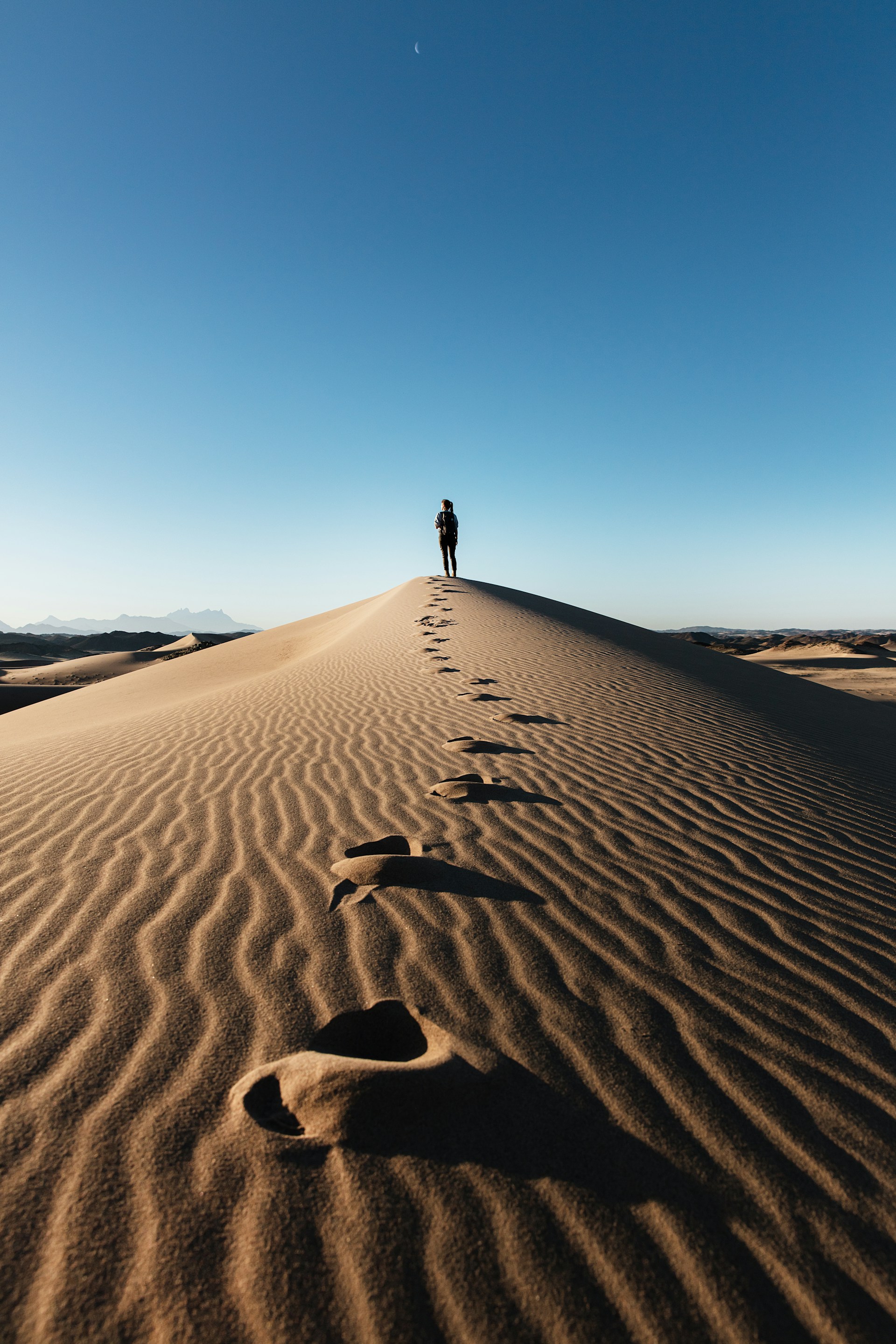
While Modern Standard Arabis is taught in schools;,daily life runs on dialects and learning even a few regional expressions instantly deepens interactions.
💡 Info Bit 💡
Modern Standard Arabic: The Shared, Formal Language
Modern Standard Arabic (MSA) is the formal, standardized form of Arabic used across Saudi Arabia in education, government, media, official signage, sermons, and written materials. Travelers will see and hear it in newspapers, news broadcasts, airport announcements, museums, and religious lectures. While everyone understands MSA, it is not the language of everyday conversation. For lingo-travelers, MSA is best approached as a reading, listening, and comprehension tool, rather than a spoken one for casual interaction.


Modern Standard Arabis is the same form of Arabic taught worldwide and understood across Arabic-speaking countries, making it ideal for reading and formal listening — but rarely used in spontaneous speech.
🗼 Info Bit 🗼
Spoken Saudi Arabic: The Language of Daily Life
Spoken Saudi Arabic refers to the regional dialects used in everyday life — in homes, markets, cafés, taxis, and casual conversations. These dialects differ by region (Najdi, Hijazi, Gulf, Southern), but all are used naturally and instinctively by locals. Travelers who learn even a few spoken phrases often experience warmer, more personal interactions, as dialect signals approachability and cultural awareness.
The Saudi dialects vary noticeably by region:
Najdi Arabic in central Saudi Arabia (Riyadh and surroundings)
Hijazi Arabic along the Red Sea coast (Jeddah, Mecca, Medina)
Gulf Arabic in the Eastern Province
Southern dialects near Yemen, with unique rhythms and vocabulary


Saudis typically switch effortlessly between MSA and dialect depending on context. This is a classic example of Arabic diglossia, where two forms of the same language coexist with different social functions.
📚 INFO BIT 📚
Understanding Diglossia as a Traveler
In Saudi Arabia, both forms are essential but for different reasons:
MSA helps you read, follow formal speech, and understand religious or official contexts.
Spoken Saudi Arabic helps you connect with people, navigate daily life, and feel the rhythm of local culture.
Knowing this distinction prevents frustration and helps travelers set realistic language goals: understand MSA, speak dialect.


While Modern Standard Arabis is taught in schools, daily life runs on dialects. Learning even a few regional expressions instantly deepens interactions.
✏ INFO BIT ✏
Hijazi Arabic: Voices around the Pilgrimage and the Red Sea
In Mecca, Medina, and Jeddah, Hijazi Arabic reflects centuries of contact with pilgrims, traders, and scholars from across the Muslim world. The dialect is softer in tone and rich in borrowed words from Turkish, Persian, Urdu, and Swahili.
Travelers walking through old quarters, historic mosques, and bustling markets will hear Hijazi Arabic shaped by hospitality, storytelling, and trade.


Hijazi Arabic is often considered one of the most accessible dialects for learners due to its pronunciation and exposure to diverse accents.
🌿 Hidden Voices 🌿
Najdi Arabic: The Language of the Heartland
In the central regions, especially Riyadh, Najdi Arabic carries the linguistic heritage of Bedouin tribes and desert life. It is known for its strong consonants, poetic expressions, and deep connection to oral tradition.
Travelers may encounter Najdi Arabic in family gatherings, traditional poetry (nabati), and cultural festivals that celebrate tribal history and desert identity.


Info Bit Along the Way
Many classical Arabic expressions preserved in poetry are still actively used in Najdi speech.
Gulf Arabic: Eastern Shores and Oil Cities
In the Eastern Province (Dammam, Al Khobar, Dhahran), Gulf Arabic connects Saudi Arabia linguistically to Kuwait, Bahrain, Qatar, and the UAE. This dialect carries maritime vocabulary shaped by pearl diving, trade, and seafaring life.
Travelers exploring coastal cities or meeting local families may hear expressions shared across the Gulf, reflecting regional unity beyond borders.


English is widely used in business, tourism, and energy sectors.
🌏 Urban Layers 🌏
Southern Dialects: Mountain and Border Voices
In the southern regions near Asir, Jazan, and Najran, local Arabic varieties differ noticeably from central and northern dialects. Influenced by geography and proximity to Yemen, these dialects feature distinct pronunciation, vocabulary, and rhythm.
Travelers hiking to mountain villages or visiting traditional markets will encounter Arabic that feels intimate, local, and deeply rooted.


Some southern dialects preserve older grammatical features less common elsewhere in the Kingdom.
♥ Cultural Insight ♥
Languages of Pilgrimage and Migration
Saudi Arabia is one of the world’s most linguistically diverse countries due to pilgrimage and labor migration. In cities like Mecca, Medina, and Jeddah, travelers may hear:
Urdu and Hindi
Bengali
Indonesian and Malay
Turkish
Swahili
Tagalog
These languages are commonly spoken within communities, workplaces, and markets, creating multilingual urban soundscapes.


Tips for Lingo Travelers in Saudi Arabia
Learn polite Arabic expressions first. Greetings, thanks, and respectful phrases open doors quickly.
Focus on spoken dialects, not just Modern Standard Arabic.
Carry offline Arabic resources for pronunciation and script recognition.
Be attentive to context. Language use shifts between religious, formal, and casual settings.
Respect cultural norms. Politeness and patience matter more than perfect grammar.
Listen before speaking. Saudi Arabic values tone, respect, and situational awareness.
Formal Arabic courses exist, but many travelers learn most through daily interaction and attentive listening.
Why Saudi Arabia Is Special for Language Travel
Saudi Arabia offers lingo-travelers something rare: Arabic as both a sacred and everyday language, spoken across deserts, cities, and pilgrimage routes. Its mix of regional dialects, classical heritage, and global influences turns every journey into a lesson in language, history, and human connection. Here, language is not learned in classrooms alone, it’s heard in shared meals, stories, and quiet conversations beneath the desert sky.


Discover The World & Learn Languages.
Created with ❤️ by Lingo Trail.
This website may contain affiliate links, which may earn a commission at no extra cost to you if purchases are made through them.
hello@golingo.com
+1-555-789-4321
© 2026 Lingo Trail. All rights reserved. No part of this website may be reproduced or transmitted in any form without prior written permission from Lingo Trail.